Introduction
Buying a water treatment plant means committing capital, mobilising technical teams, bearing maintenance costs for 15 to 20 years, and taking the risk that needs will evolve before the investment is amortised. For a long time, this was the only route available.
The Water-as-a-Service (WaaS) model reverses this logic. Rather than financing infrastructure, the client buys a service: treated, compliant, available water — billed per m³. Equipment, installation, operations, maintenance and supervision all remain the responsibility of the service provider. This model, well established in other sectors, is beginning to assert itself in water treatment.
I. What is Water-as-a-Service?
WaaS is a contractual model in which Nomado installs, operates and maintains a water treatment unit on the client’s site, billing per m³ of water treated or reused. The client benefits from compliant water without investing in the asset.
A Nomado WaaS contract typically covers: supply and installation, commissioning and performance testing, routine operations (adjustments, consumables, analytical monitoring), preventive and corrective maintenance, remote supervision with real-time alerts, equipment replacement, and regular performance reporting.
The client remains responsible for raw water supply and treated effluent discharge, but does not recruit a dedicated operator, manage spare parts, or deal with a breakdown at midnight.
II. Why WaaS addresses a real need
Capital pressure: WaaS converts CAPEX into OPEX. A treatment plant can represent from tens of thousands to several million euros. The decision becomes simpler and faster.
Uncertain needs: WaaS provides structural flexibility. Capacities can be adjusted, the process can evolve, the contract can be adapted. The service provider bears the technological risk.
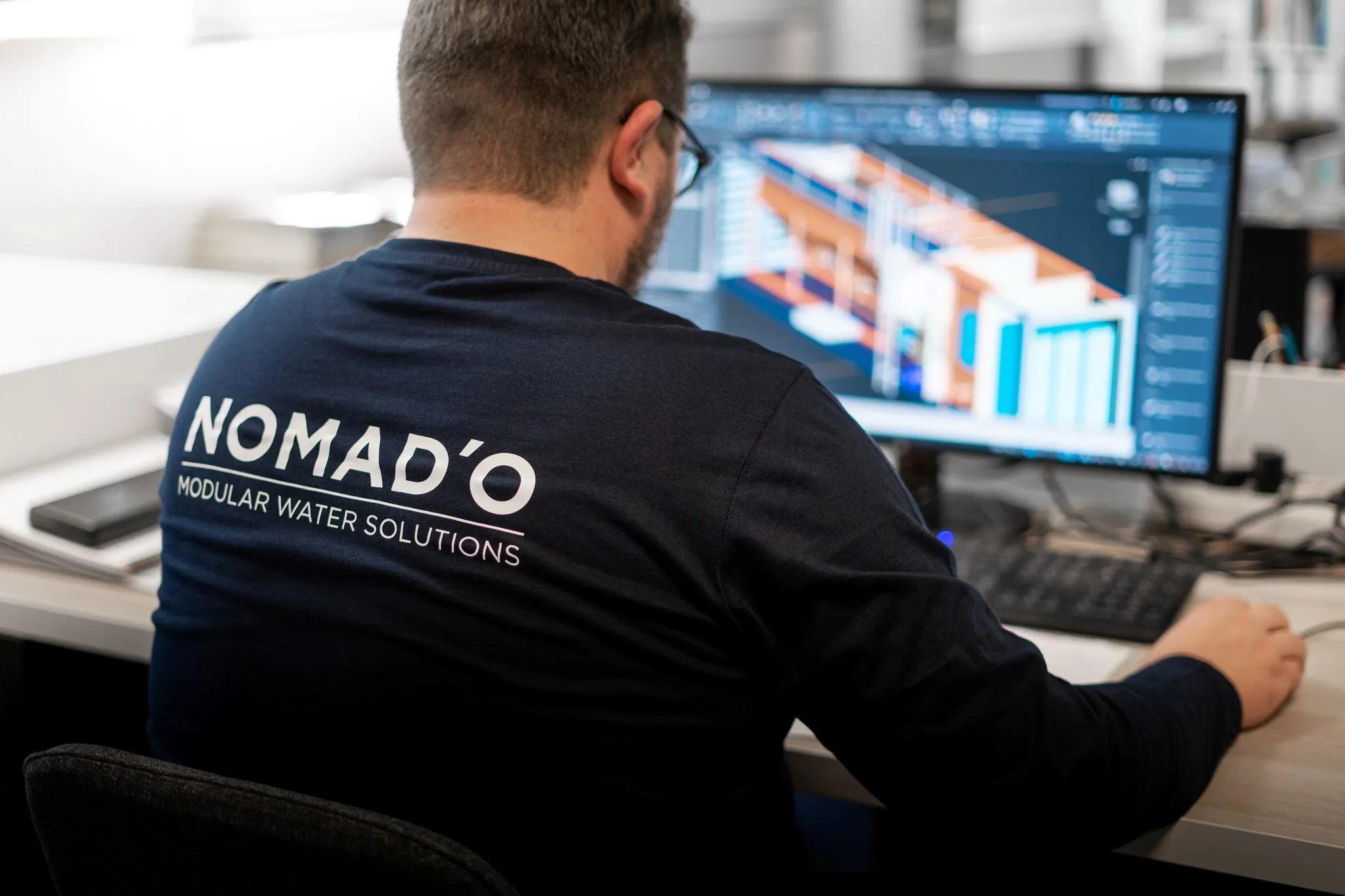
Operational complexity: operating a treatment unit requires rare expertise. WaaS outsources this to the provider, who pools it across the entire portfolio.
III. The sectors where WaaS is asserting itself
Industry: effluents to treat, standards to meet, a core business unrelated to water. WaaS enables rapid deployment, compliance guarantee and process adaptation.
Local authorities and rural areas: a municipality of 800 inhabitants with an end-of-life WWTP, or an isolated hamlet not connected to the network. WaaS is a service continuity solution without recruitment or technical risk.
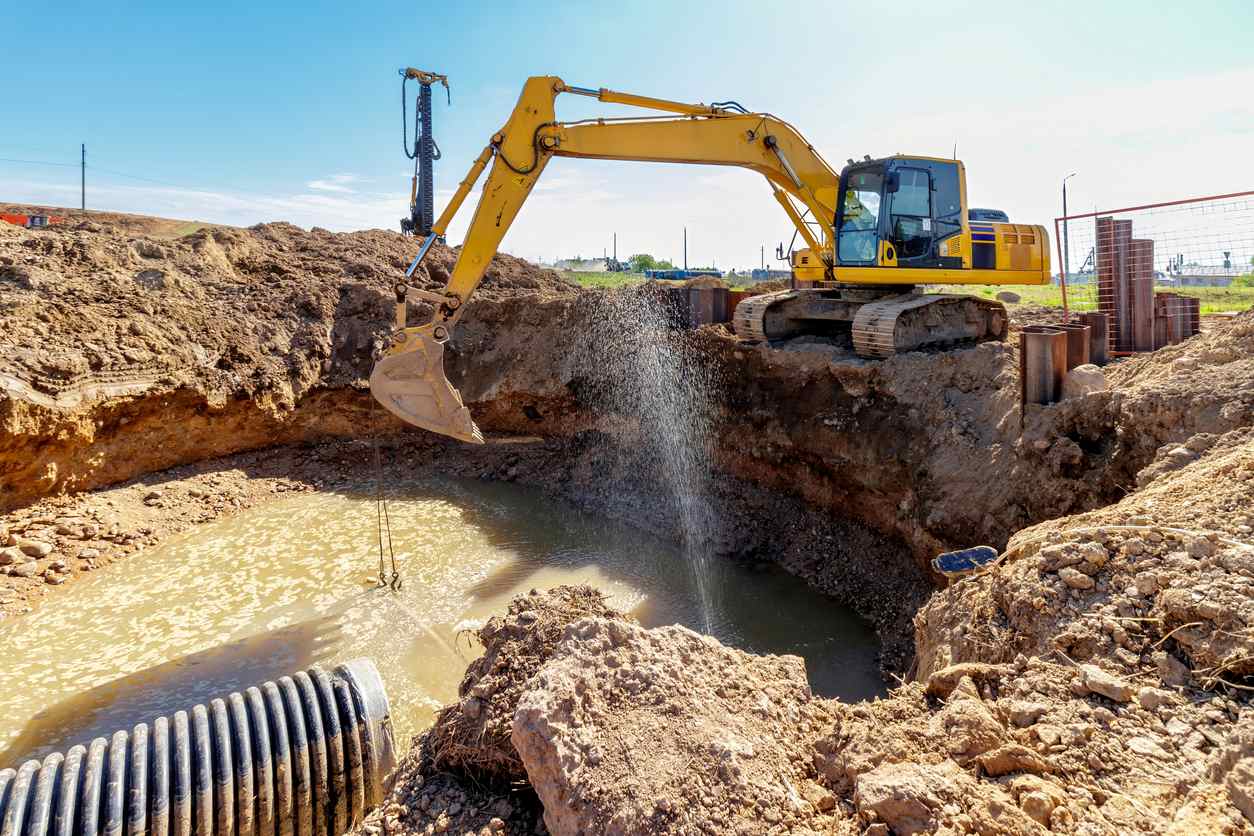
Construction: a temporary need, demanding regulatory framework, company whose core business is not water. WaaS is particularly relevant for long-duration projects (tunnels, railway infrastructure).
Port areas and marinas: compliance obligations on boat maintenance and washing water, without capital investment.
IV. The economics in detail
WaaS billing is based on volume of water treated in m³. The per-m³ rate integrates equipment amortisation, operating costs (energy, reagents, consumables), maintenance, supervision and reporting, and Nomado’s margin.
For an industrial operator treating 500 m³/day: initial investment €0 vs €300k–800k for direct purchase; commissioning 4–12 weeks vs 6–18 months; technological risk borne by Nomado vs borne by the client; flexibility high vs low.
V. WaaS at Nomado: a performance commitment
WaaS at Nomado is a performance commitment: the water leaving the unit meets contractually defined parameters (TSS, pH, COD, hydrocarbons…). If performance is not delivered, Nomado bears the consequences.
Every WaaS unit is equipped with a connected supervision system transmitting data in real time: anomaly detection, remote adjustments, automated compliance reports. The model scales with the client’s needs without reinvestment.
VI. How a WaaS deployment works
Step 1 (1–3 weeks): needs characterisation — water nature and volume, quality requirements, site constraints, anticipated duration.
Step 2 (1–2 weeks): technical and contractual proposal — per-m³ rate, performance commitments, service levels, duration and termination conditions.
Step 3: unit fabrication or mobilisation from existing fleet.
Step 4 (1–5 days): installation, connections (raw water, effluents, electricity), commissioning and initial performance validation.
Step 5: routine operations — remote supervision, regular field visits, monthly invoices based on treated volumes.
Conclusion
Water-as-a-Service is a structural response to real constraints. For Nomado, it is also a deep conviction: water treatment must be accessible to all, regardless of organisation size or duration of need.
Paying for the water you treat, not the plant you may never truly operate: that is the meaning of WaaS.
FAQ
1. Is WaaS suitable for permanent or temporary needs? Both. Also relevant for organisations that prefer to outsource operations and avoid technological risk.
2. Who owns the treatment unit? Nomado retains ownership throughout. Purchase options at contract end can be included.
3. What happens in case of breakdown? Corrective maintenance is included. Nomado intervenes within contractually defined timelines and mobilises a replacement unit if needed.
4. Is WaaS more expensive than direct purchase long-term? Possibly over 15-20 years with stable needs, but comparisons rarely account for immobilised capital, technological risk, or hidden internal costs.
5. How are regulatory changes handled? Nomado analyses the impact and proposes a solution adaptation. Modalities are specified in the initial contract.