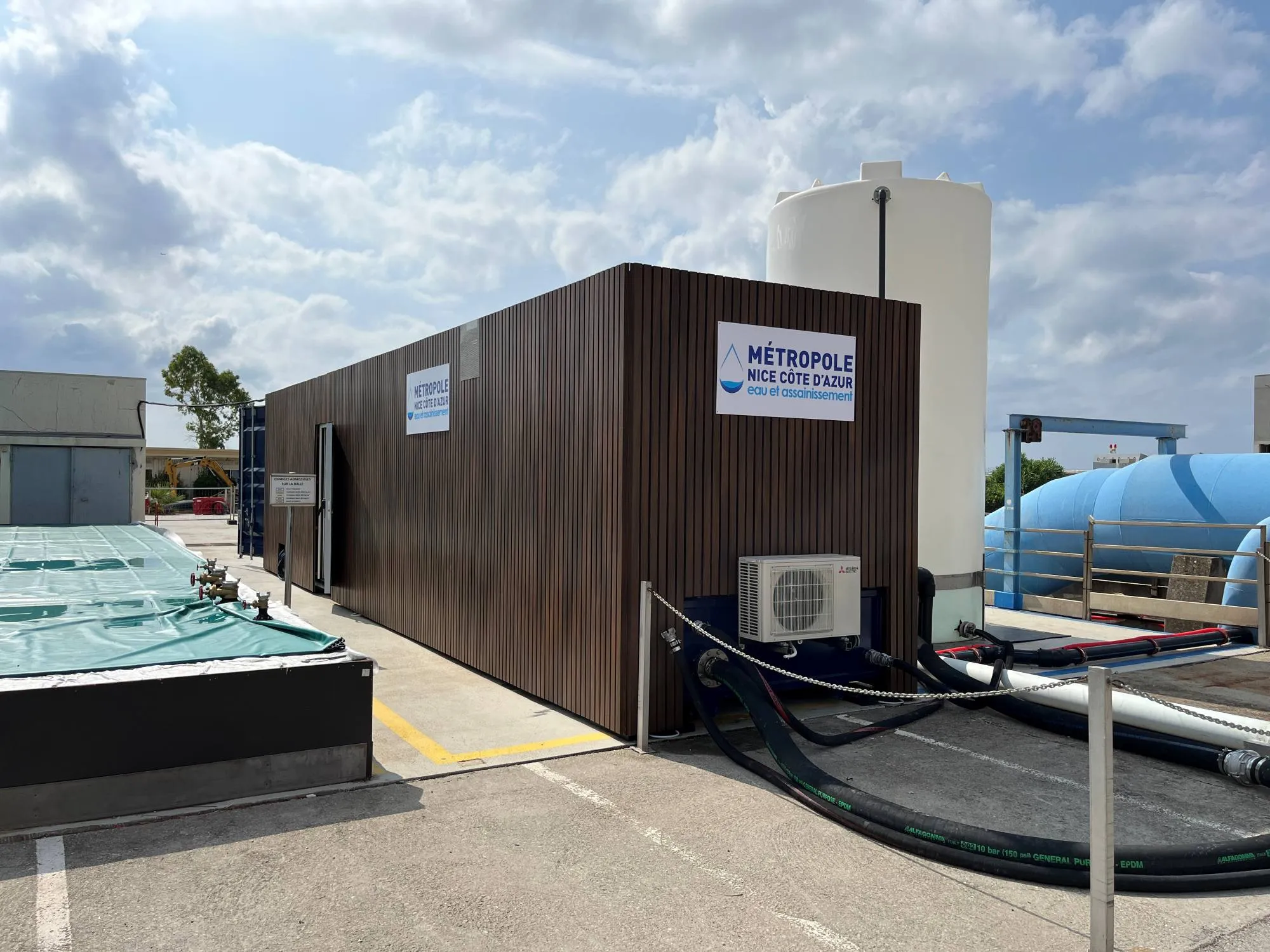
The client challenge
Faced with increasingly frequent summer droughts on the Mediterranean coast, the Métropole Nice Côte d'Azur sought to develop alternatives to drinking water for non-food uses: irrigation of green spaces, road cleaning, sewer flushing, and filling maintenance vehicles.
The Haliotis wastewater treatment plant in Nice, which treats the wastewater of the Nice urban area, represented an untapped resource: its secondary-treated effluents, while not suitable for human consumption, could — after appropriate tertiary treatment — reach the quality required by EU Regulation 2020/741 of 25 May 2020 on minimum requirements for water reuse.
The Métropole issued a tender for the design, construction and commissioning of a treated wastewater reuse unit (TWWR) at the Haliotis site, with the following constraints:
- Achieving the various quality classes of EU Regulation 2020/741 according to the intended uses
- Integrating the unit within the existing Haliotis plant
- Treating a flow rate of 11 m³/h to supply several simultaneous uses
- Providing two separate distribution points: injection into an irrigation network and filling of tanker trucks and hydro-cleaner vehicles
Nomado won this tender and managed the complete project.
The Nomado solution
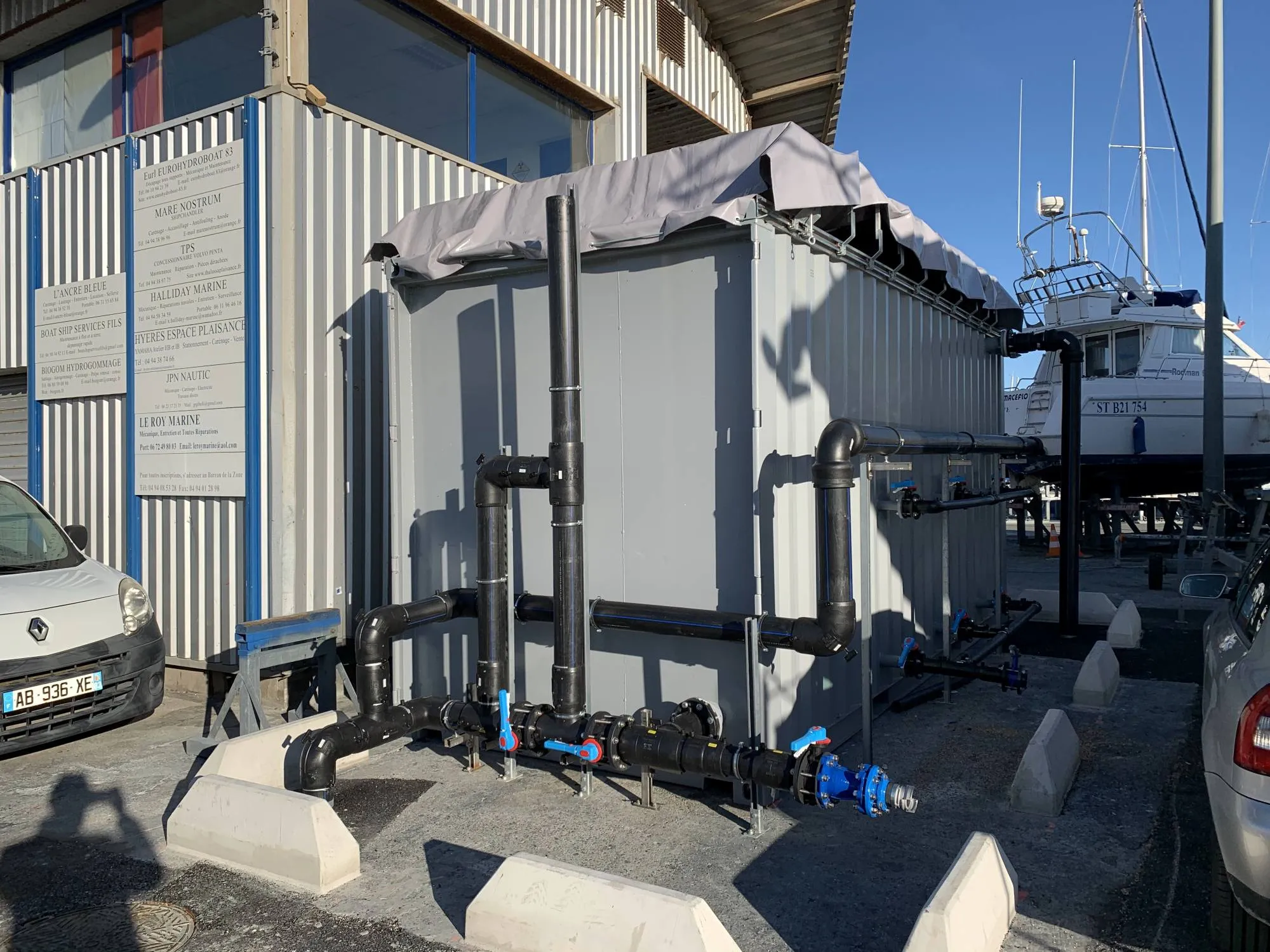
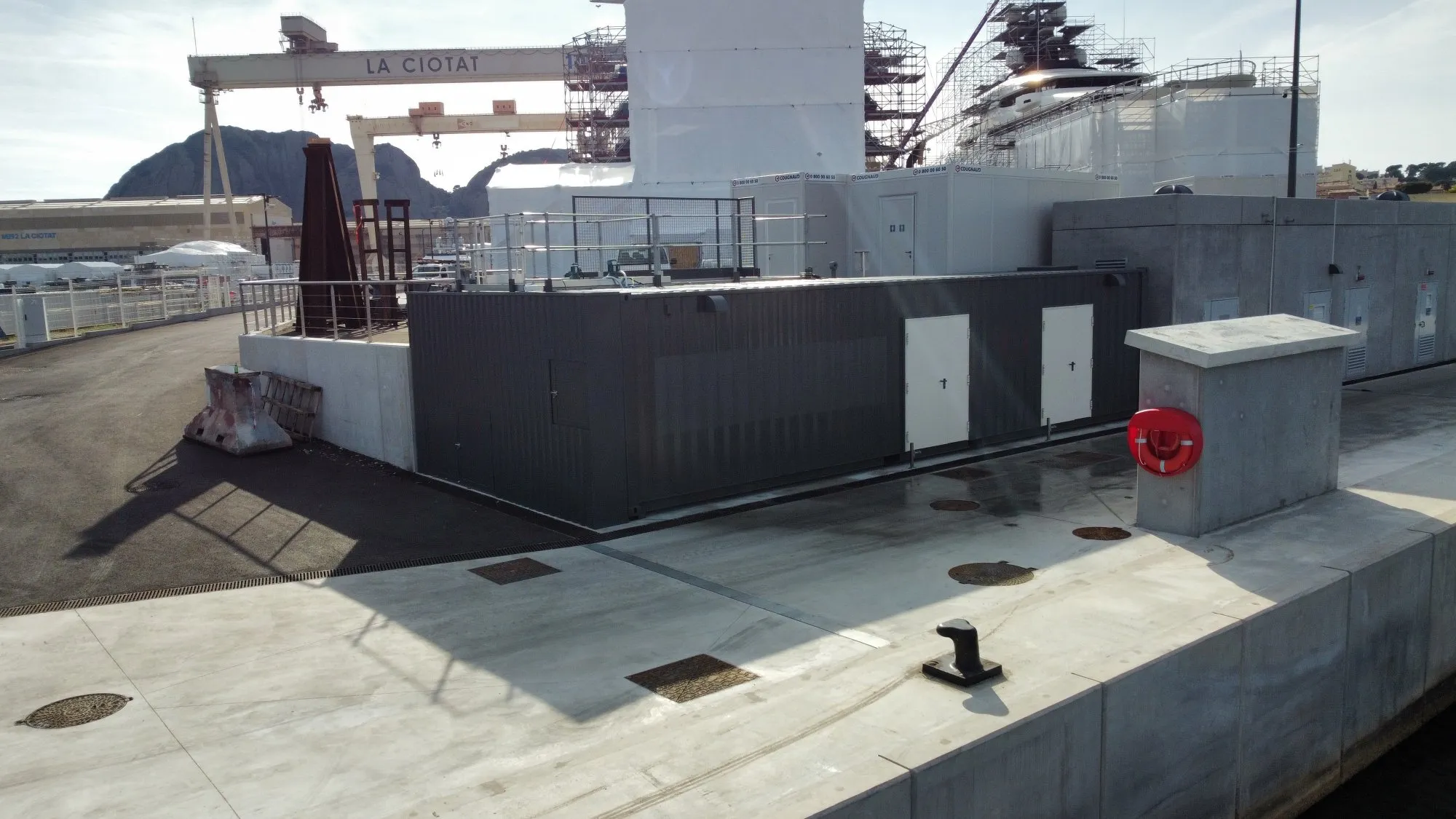
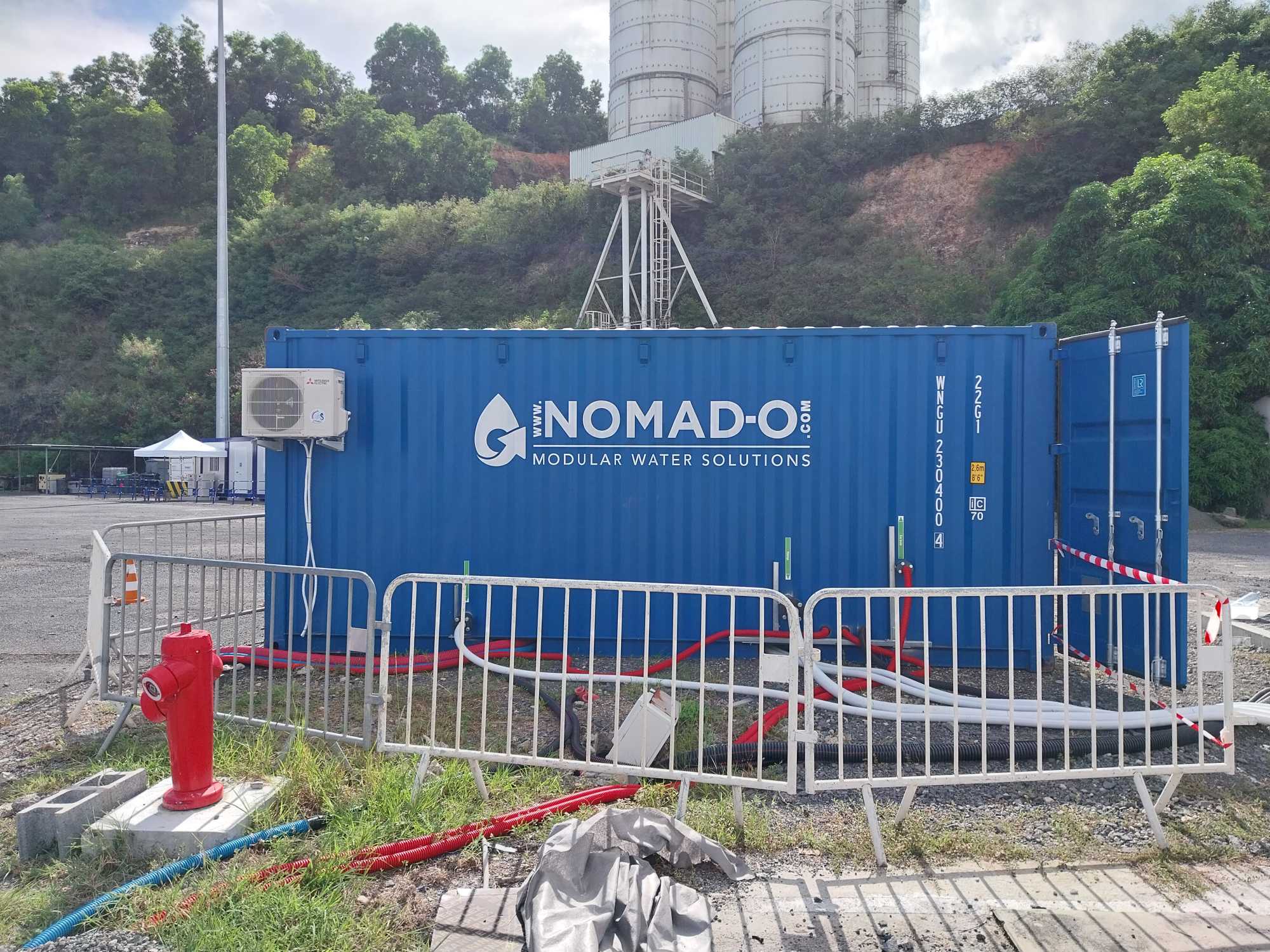
Nomado designed and built a containerised TWWR unit in a single 40-foot container, incorporating a complete tertiary treatment process enabling quality classes A, B, C and D of EU Regulation 2020/741 to be achieved, depending on the final use.
Our approach combined filtration performance, multi-barrier disinfection and distribution flexibility to cover all of the Métropole's uses.
Advanced tertiary treatment process
Physical filtration
- Sand filtration with automatic air and water backwash: removal of residual suspended solids and turbidity. The automatic backwash (air then water) ensures regular regeneration of filter beds without manual intervention, providing consistent long-term performance
- Ultrafiltration (UF): removal of colloids, bacteria and parasites (Cryptosporidium, Giardia) by membrane screening at the micrometre scale. Ultrafiltration is the key sanitary barrier enabling the most demanding quality classes of EU Regulation 2020/741 to be achieved
Multi-barrier disinfection
- UV treatment: inactivation of pathogenic micro-organisms (viruses, bacteria, protozoa) by ultraviolet radiation, with no chemical residue in the produced water
- Chlorine dioxide disinfection (ClO₂): final disinfection and maintenance of a disinfectant residual in the distribution network, guaranteeing the sanitary quality of water to the point of use
Distribution equipment
The unit integrates two independent distribution circuits, adapted to the Métropole's different uses:
- Pressure boost for irrigation network: pressurisation of TWWR water for direct injection into the metropolitan green space irrigation network
- Pressure boost for tanker truck and hydro-cleaner filling: dedicated filling point for municipal vehicles (road cleaning, sewer flushing)
Results achieved
- TWWR unit operational at the Haliotis plant, producing 11 m³/h of reusable water compliant with EU Regulation 2020/741
- Complete tertiary treatment process integrated in a single 40-foot container: sand filtration + ultrafiltration + UV + chlorine dioxide
- Dual distribution circuit covering both network irrigation and vehicle filling
- Concrete contribution to the sustainable water management strategy of the Métropole Nice Côte d'Azur in the face of Mediterranean summer droughts
- First unit of this type deployed at the Haliotis plant, paving the way for a scale-up of TWWR across the Nice area